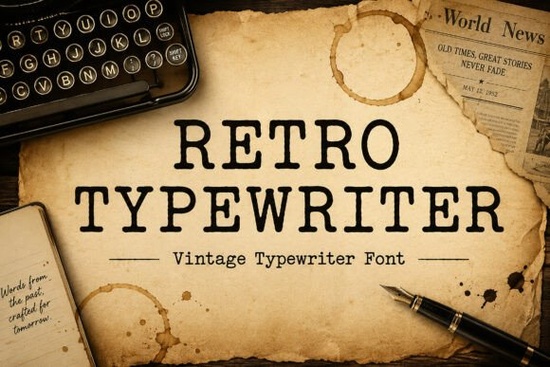
Vintage typography brings a specific kind of trust and history to visual projects. Choosing the right lettering sets the entire mood for your creative work. If you want your branding or print materials to feel like they were typed out on a classic mechanical machine, the Retro Typewriter Font is an excellent starting point. It captures the authentic, slightly imperfect look of old-school typing machines. This makes it highly effective for designers, crafters, and print-on-demand sellers who need a nostalgic editorial aesthetic without sacrificing readability.
What makes a vintage serif typeface work for modern projects?
Real typewriters rarely printed perfectly straight lines. The ink often bled slightly into the paper, and the keys struck with varying pressure depending on the user. This typeface mimics that exact warmth. The letterforms are clean but feature those subtle imperfections that give a document genuine character. When you are designing a journal or a rustic label, pristine digital fonts can sometimes feel too sterile and mass-produced. By using a typeface that looks physically stamped, you add an immediate layer of authenticity. You can download the Retro Typewriter file to start testing it on your mockups. If you want to see all the available characters and formatting options, you can review the full details of this typewriter typeface on our site.
How can crafters and small businesses use this style?
The applications for this kind of lettering go far beyond simple novelty projects. Because it carries a strong sense of nostalgia, it works exceptionally well for storytelling. Small businesses selling artisan goods can use it on packaging to suggest a handcrafted, small-batch origin. Writers and publishers often rely on this aesthetic for book covers, particularly in the mystery, poetry, or historical fiction genres. For print-on-demand sellers, this style is highly effective for creating typography-based art prints that appeal to book lovers and history enthusiasts. Here are a few specific ways to apply it to your work:
- Editorial Design: Create layouts that mimic historical newspapers, zines, or classic magazine spreads.
- Writer-Themed Merchandise: Design t-shirts, mugs, and tote bags featuring famous literary quotes.
- Rustic Packaging: Build memorable labels for local coffee roasters, craft soaps, or boutique candles.
- Social Media Graphics: Add a subtle grain filter and typewriter text to Instagram posts for a cohesive retro brand identity.
The mechanical history behind typewriters gives these designs a built-in narrative that customers naturally appreciate.
Which fonts pair well with a retro typing style?
When building a complete brand identity, you rarely use just one typeface. A monospaced typing font needs a good supporting partner to handle longer blocks of text or elegant subheadings. If you need a smooth, elegant contrast for your secondary text, a softer option like Silky Dusk works beautifully. You can view how this dusk-inspired serif balances out heavier, textured display fonts. For a more structured editorial look, consider pairing your typing font with Montage. Exploring a modern editorial serif option helps keep the overall design legible while maintaining a classic feel. If your project leans toward traditional publishing, you might combine the retro style with Desevon. Checking out a more traditional serif style ensures your body copy remains easy to read alongside decorative headers.
What should you check before printing your final design?
Before sending your vintage-inspired project to the printer, make sure the textured edges of the letters will reproduce clearly. Here is a practical checklist to follow before finalizing your artwork:
- Check the scale: Ensure the distressed details do not blur together when printed at a small size, especially on merchandise like pens or small tags.
- Test the contrast: Print a physical test page to verify that the slightly uneven ink effect stands out against your chosen background color or texture.
- Mind the tracking: Typewriter fonts are typically monospaced, meaning every letter takes up the exact same width. Avoid tightening the letter spacing too much, or the characters will overlap awkwardly.
- Balance the layout: Pair the rough edges of the vintage text with plenty of negative space to let the design breathe and remain readable.
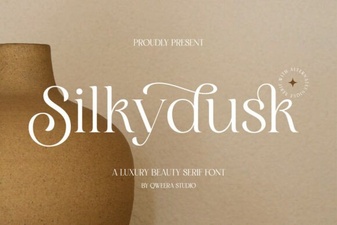 Silkydusk Font for Modern Web Design Projects
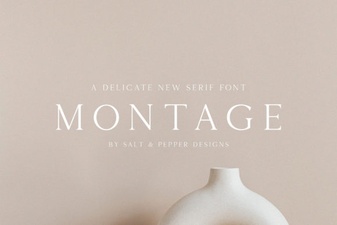 The Montage Font: Design Creativity Unleashed
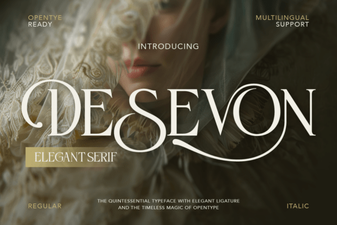 Desevon Font: Modern Typography for Design Projects
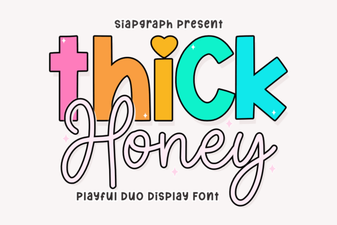 Thick Honey Duo Font for Creative Print Projects
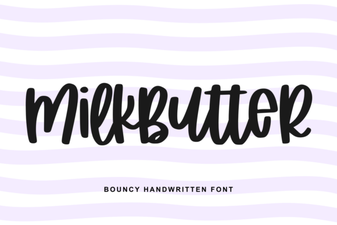 Milkbutter Font for Modern Design Projects
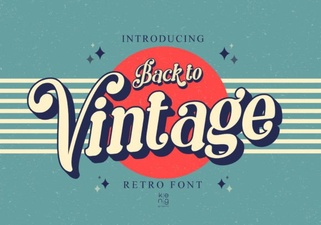 Embrace Vintage Fonts: Design with Retro Typography