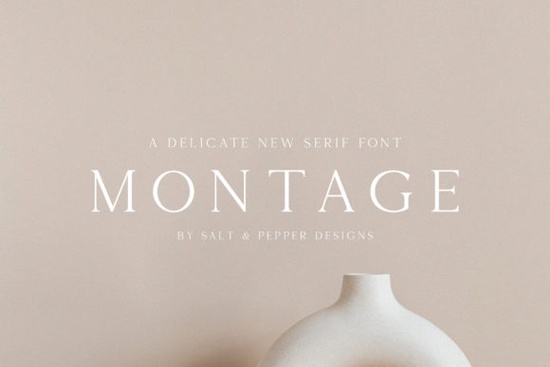
Choosing the right typography can completely shift the mood of a creative project. If you want a refined, high-end look, the Montage Font offers an authentic, thin lettered design that brings a sense of luxury to your work. It works exceptionally well for designers and small businesses aiming for a sophisticated aesthetic without relying on heavy, overwhelming letters. The delicate strokes mimic high-fashion editorial lettering, making it an excellent choice for brands that want to convey exclusivity and grace without being overly ornate.
What kind of projects work best with thin serif typography?
Because of its slender structure, this typeface shines in applications where elegance is the primary goal. Print-on-demand sellers often use thin serifs for boutique apparel tags, minimalist tote bags, and premium coffee packaging. Wedding stationery is another perfect fit. The fine lines create a romantic, sophisticated feel on invitations, save-the-dates, and RSVP cards. When working on digital graphics, it works beautifully for Pinterest pins or social media quotes where a clean, upscale vibe is necessary to catch the eye of a discerning audience.
How do you pair this typeface with other fonts?
Pairing a delicate serif requires balancing the visual weight of your layout. Since the main letters are so thin, combining them with a sturdy sans-serif or a highly textured font creates a pleasing contrast. For instance, if you are designing a vintage-themed poster, you might combine it with a classic typewriter style to add some grit and history to the layout. Alternatively, if you need something with a bit more presence for a secondary heading, a slightly bolder vintage alternative can ground the delicate nature of the primary text without competing for attention.
Is this font readable for small text?
Thin lettered designs can sometimes struggle with legibility when scaled down too much. For the best results, reserve this typography for titles, logos, and short quotes. If you need a typeface that remains highly readable at smaller sizes for long body paragraphs, you might want to look into a softer, more uniform serif option for your extended text blocks. However, when used at larger sizes, checking the official product page for this typeface shows just how crisp and sharp the details remain on both digital screens and printed materials.
What printing techniques suit thin serifs?
The physical production of your design matters just as much as the digital file. Fine lines look incredible when printed using foil stamping or blind embossing on thick cardstock. These techniques catch the light and emphasize the refined nature of the letters. Matte finishes often work better than glossy ones for thin typography, as gloss can sometimes create glare that obscures fine details. For crafters using cutting machines, thin fonts require extra care. It is usually best to use them for projects involving vinyl or foil transfers rather than intricate paper cuts, which might tear or become difficult to weed.
Where can crafters and small businesses use this style?
Small businesses can easily adopt this typography to improve their visual identity across multiple touchpoints. Building a cohesive brand requires consistent use of your chosen fonts. Here are a few practical applications:
- Brand Identity: Creating memorable, high-end logos that look great on storefronts and websites.
- Packaging Design: Adding a premium feel to product boxes, cosmetic labels, and tissue paper wraps.
- Social Media: Designing clean, readable templates that attract a luxury-focused audience.
- Event Signage: Crafting elegant welcome signs, seating charts, and table numbers for special occasions.
Next steps for your design project
Before you finalize your artwork, run through this quick checklist to ensure your typography looks its best:
- Test the font at your intended print size on paper before sending it to a professional printer.
- Pair the thin serif with a solid, easy-to-read sans-serif for your body copy to ensure accessibility.
- Increase the letter spacing (tracking) slightly to enhance the luxurious, editorial feel and prevent letters from clumping.
- Use high-contrast color combinations, like dark charcoal on a cream background, to make the thin lines stand out clearly.
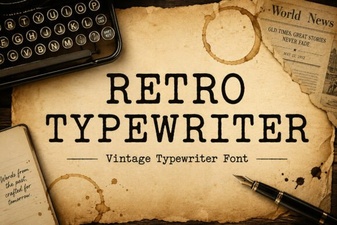 Craft Vintage Designs with Retro Typewriter Fonts
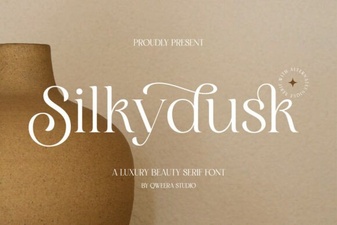 Silkydusk Font for Modern Web Design Projects
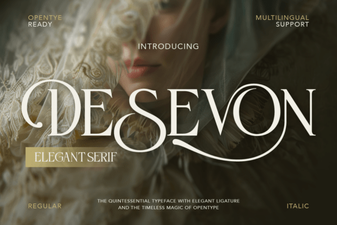 Desevon Font: Modern Typography for Design Projects
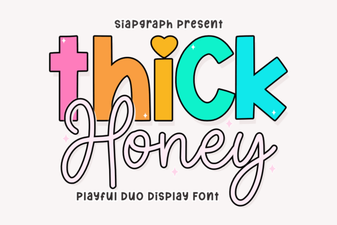 Thick Honey Duo Font for Creative Print Projects
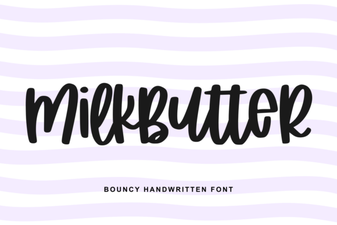 Milkbutter Font for Modern Design Projects
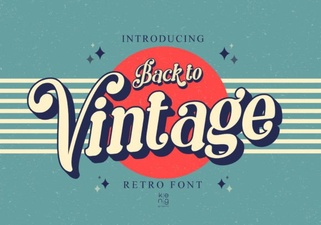 Embrace Vintage Fonts: Design with Retro Typography