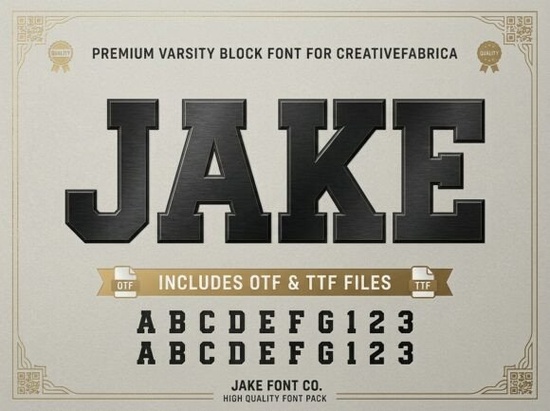
When designing for sports teams or athletic events, readability and impact are everything. A heavy, solid weight typeface captures that traditional stadium energy perfectly. The Jake Font delivers exactly this look through its classic collegiate proportions and sharp slab serifs. It is a practical choice for print-on-demand sellers, small business owners, and graphic designers needing disciplined, powerful lettering for gym apparel and team branding. Whether you are outfitting a local youth league or designing merchandise for a national tournament, having a reliable athletic typeface is essential.
What makes a varsity block typeface work for sports apparel?
Varsity fonts have a very specific history in American athletics. They need to be entirely legible from the top rows of the stands while also looking good up close on fabric. The sharp edges and thick stems found in classic varsity styles ensure the letters hold their structural shape when printed on mesh jerseys or embroidered on heavy cotton hoodies. If you are making local club uniforms, this structured aesthetic communicates a sense of established tradition and reliability. The solid weight means there is plenty of space inside the letterforms to add a secondary color outline, which is a staple of university sports design. Adding that contrasting outline is a simple way to make a team logo pop without overcomplicating the artwork.
Which projects are best suited for heavy display typography?
Because of its commanding presence, this style is highly effective for projects that require immediate visual attention from a distance. High-impact event posters for university tournaments or local marathon routes are a natural fit. You can also use it for bold merchandise like stainless steel water bottles, canvas gym bags, and thick winter warm-up jackets. Sometimes, however, an athletic theme needs a secondary vibe to round out a brand identity. For instance, if a modern fitness studio wants a more retro, relaxed merchandise line alongside their standard varsity gear, you might explore a bubbly alternative like this playful retro lettering to appeal to a different demographic. Similarly, if a sports bar needs a robust menu header that feels less rigid, checking out this thick and sweet pairing could add a welcoming touch to their overall branding.
How do you pair a solid athletic font with other styles?
A heavy block font does a lot of the heavy lifting in a layout, so it pairs best with highly readable secondary typefaces. You want to contrast the rigid, disciplined nature of the varsity letters with something more fluid or understated. For a high school dance poster where the main title uses a strong varsity style, you could balance it with a soft, elegant script like this flowing handwritten typeface. Alternatively, if you are designing a pop-culture sports zine, contrasting the rigid letters with an edgy, modern choice like this bold contemporary font creates striking visual tension. For something deeply expressive in a halftime show program, a brush script such as this textured marker style provides an excellent organic contrast to the strict block letters.
Are there technical considerations for printing varsity letters?
Yes, working with heavy slab serifs requires some attention to detail, especially when using vinyl cutting machines like a Cricut or Silhouette for custom decals. The sharp inner corners of the letters can sometimes be tricky to weed if the text is scaled down too small. It is usually best to keep the text large and bold to prevent tearing. For screen printing, ensure the fabric has a tight weave so the solid blocks of ink do not bleed outside the lines. Always request a physical proof if you are ordering a large batch of custom uniforms. You can read more about college athletics history to understand why these specific typography styles became so deeply rooted in sports culture over the last century.
What should you check before sending your design to print?
Before you finalize your next sports apparel order, run through this quick checklist to ensure your lettering looks perfect:
- Check the kerning: Block letters often need manual spacing adjustments so the gaps between words do not look too wide.
- Test the outline: If adding a stroke, make sure the inner counters (the holes in letters like 'O' or 'A') do not close up entirely.
- Verify the contrast: Use a light font color on a dark background, or vice versa, to guarantee the heavy shapes stand out clearly.
- Format for the machine: Convert your text to outlines or paths before sending the file to an embroidery service or vinyl cutter.
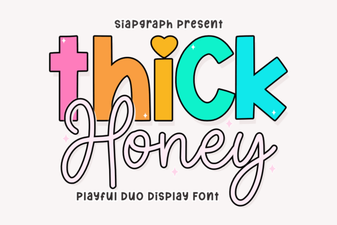 Thick Honey Duo Font for Creative Print Projects
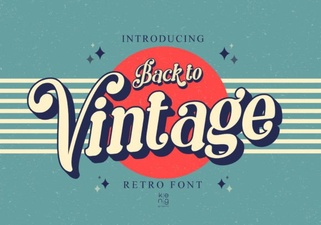 Embrace Vintage Fonts: Design with Retro Typography
 Hunter's K-Pop Fonts for Music & Design Projects
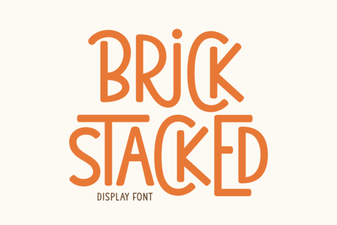 Building Creative Structures with Brick Fonts
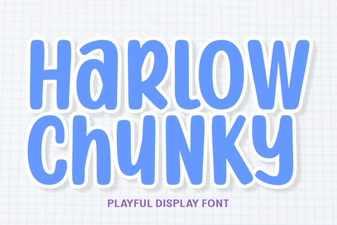 Design with the Chunky Harlow Font Style
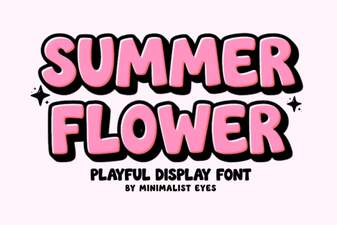 Floral Typography for Your Summer Design Projects