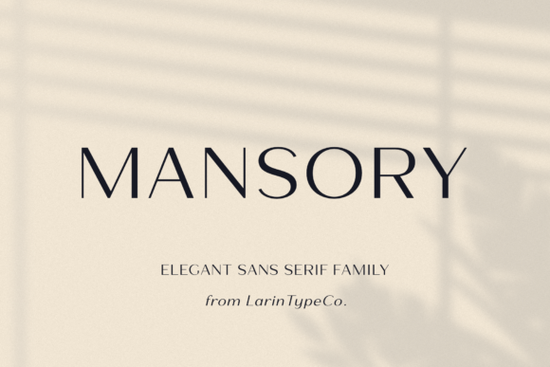
Finding the right typography often dictates the success of a creative project. If you need a clean, readable typeface that feels modern but not overly rigid, the Mansory Font is an excellent choice. This light sans serif typeface is incredibly well-balanced. Designers and print-on-demand sellers frequently choose it because it transforms basic text into something highly aesthetic. Whether you are creating branding for a small business or designing custom merchandise, its simple structure provides a reliable foundation that keeps the focus on your message.
What makes this typeface suitable for print-on-demand?
When selling custom t-shirts, tote bags, or ceramic mugs, readability is just as important as visual style. Shoppers need to read your message quickly, often from a distance. Because this specific sans serif design has a light, airy weight, it prints beautifully on various materials without looking clunky or heavy. Crafters using vinyl cutting machines will also appreciate the clean, predictable lines. There are no complicated serifs or delicate swashes that might tear during the weeding process. If you are exploring this typeface for your next merchandise line, you will notice how well it scales from small clothing tags to large storefront banners.
How does it pair with other sans serif styles?
Creating a clear visual hierarchy usually requires combining different font weights or styles. Since this typeface leans toward a minimalist and elegant look, it pairs nicely with fonts that have a bit more personality or geometric structure. For instance, if you need a secondary font for subheadings, checking out Brisca can give your text a slightly bolder presence while maintaining a cohesive modern feel.
You can also mix it with warmer, more casual styles to soften a corporate design. Many designers use Sweet Home to add a friendly touch alongside minimal sans serifs, creating a welcoming balance for lifestyle brands. Alternatively, if your project requires a more traditional and structured look, the structured elegance of Modern Heritage works well as a contrasting accent. By mixing these typographic elements, you keep the overall layout interesting without overwhelming the reader.
Where should small businesses use this typography?
Small business owners often struggle to maintain a consistent brand identity across multiple platforms. Using a versatile sans serif solves this problem entirely. You can confidently use this font family for a variety of daily business tasks:
- Website headers and navigation menus: The light weight ensures the text remains legible against colorful or photographic backgrounds.
- Product packaging: It gives labels a premium, high-end appearance without needing elaborate graphics or illustrations.
- Social media graphics: Quotes, announcements, and promotional text stand out clearly on visually busy platforms like Instagram and Pinterest.
- Business cards: It leaves enough negative space to make contact details easy to read at a very small physical size.
Creative hobbyists making wedding invitations or event stationery will also find that the balanced letterforms add a touch of quiet sophistication. It successfully avoids the stiffness of standard system fonts while remaining entirely professional.
How can you adjust the spacing for better readability?
Light fonts sometimes require slight manual adjustments to letter spacing, especially when used in all capital letters. If you are setting a main title, try increasing the tracking by a few points in your design software. This gives the characters room to breathe and enhances the overall modern feel. For body copy, keep the spacing standard to ensure long paragraphs remain easy on the eyes. Always test your final layout on both desktop and mobile screens to verify that the lighter strokes do not disappear on lower-resolution displays.
What should you check before finalizing your artwork?
Before you export your final files or send them to print, run through this quick checklist to ensure your typography performs well:
- Check the contrast between your text color and the background, as light fonts need dark backgrounds to remain legible.
- Test the font at the actual printed size, because what looks perfectly balanced on a monitor might be too thin on paper.
- Ensure your vinyl cutter settings are properly adjusted for thin lines if you are crafting physical decals.
- Pair the typeface with a bolder secondary font if your design needs a clearer visual hierarchy.
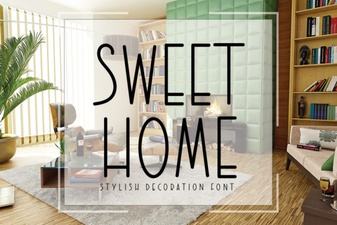 Crafting Home Projects with Sweet Home Font
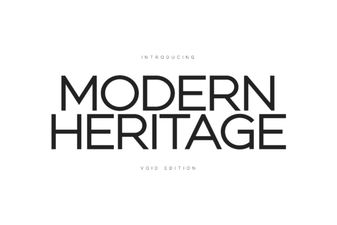 Modern Heritage Fonts for Creative Design Projects
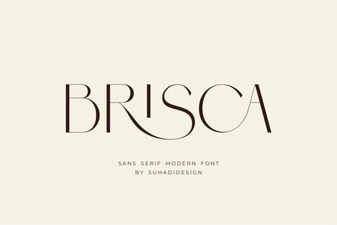 Brisca Font: a Creative Script for Handcrafted Projects
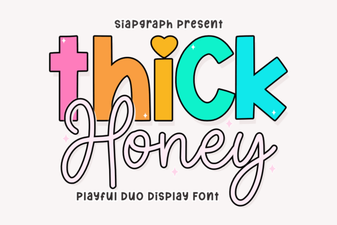 Thick Honey Duo Font for Creative Print Projects
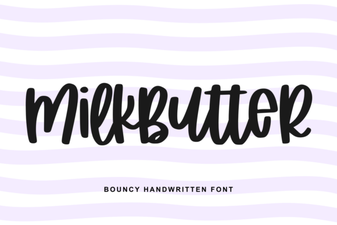 Milkbutter Font for Modern Design Projects
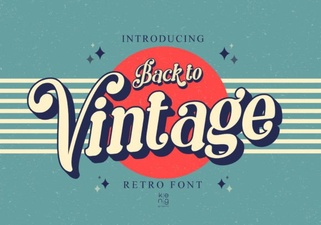 Embrace Vintage Fonts: Design with Retro Typography