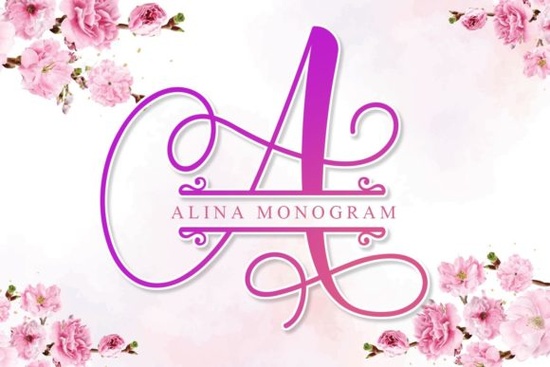
Finding the right typography for a personalized project often means balancing elegance with clear readability. If you are working on custom wedding invitations or boutique branding, the Alina Monogram Font offers a charming, authentic feel that connects well with your audience. This decorative typeface features graceful curves and a handmade aesthetic, making it highly versatile for designers, crafters, and print-on-demand sellers. Whether you are creating beautiful stationary art, eye-catching social media posts, or cute greeting cards, choosing the right lettering is crucial for setting the exact tone of your product.
What types of crafting projects work best with this script?
Crafters and hobbyists frequently look for lettering styles that mimic natural handwriting. Because of its authentic, flowing design, this specific typeface is an excellent choice for personalized gifts and event decor. When cut from adhesive vinyl, the thick and thin strokes hold up well on smooth surfaces.
Here are a few popular ways creative hobbyists use this style:
- Custom Apparel: Creating heat transfer vinyl decals for bridal party t-shirts or baby onesies.
- Drinkware: Designing permanent vinyl monograms for insulated tumblers and coffee mugs.
- Paper Crafts: Printing intricate names on handmade wedding invitations, place cards, and thank-you notes.
- Home Decor: Cutting wooden signs with family names for entryways or nurseries.
The authentic feel of the lettering gives physical products a bespoke, high-end look that customers appreciate. For small business owners selling on platforms like Etsy, offering personalized items with unique typography can help differentiate your shop from competitors.
How should you pair this lettering with other typefaces?
Using a highly decorative script on its own can sometimes overwhelm a design. To maintain readability, especially on small screens or printed materials, it is best to pair it with a simpler font. A clean, geometric sans-serif or a classic serif provides a solid visual foundation.
For example, if you are designing a logo for a bakery, you might use the flowing script for the main brand name and a basic sans-serif for the tagline. Adjusting the letter spacing, or kerning, on the secondary font can also help create a balanced layout. This contrast ensures your message is easy to read while still looking stylish. If you need to build a complete brand kit, you can browse more decorative typefaces in this collection to find complementary styles that match your specific aesthetic.
Which software and cutting machines are compatible?
Before purchasing any digital asset, print-on-demand sellers and crafters need to know it will work with their existing tools. This file type typically comes in standard formats like OTF and TTF, which are universally supported across major design platforms for both Mac and PC users.
You can easily install and access the characters in programs like Adobe Illustrator, Canva, and Procreate. For physical crafters, the lettering imports smoothly into Cricut Design Space and Silhouette Studio. When preparing the file for a cutting machine, it is important to weld or unite the script letters. This step ensures the machine cuts the entire word as a single, continuous piece rather than cutting out each individual letter, which prevents the vinyl from tearing during the weeding process.
Where can you find the right license for commercial use?
If you plan to sell items featuring this typography, you must secure the proper commercial license. Using personal-use files for business purposes can lead to copyright issues. A commercial license grants you the legal right to create and sell end products, such as printed greeting cards or digital social media templates.
You can check the specific usage rights and download the Alina Monogram Font to start working on your next product line. Reviewing the license agreement will tell you exactly how many physical or digital items you are permitted to sell.
What is the best way to test your design before production?
Testing is a critical step in the design process, especially for print-on-demand sellers. What looks good on a backlit computer monitor might print too small or too light on physical paper.
- Print a test page on standard printer paper to check the physical size and spacing.
- Verify that the thin lines of the script are thick enough to be legible when scaled down.
- Test your vinyl cut settings on a scrap piece of material before cutting your final project.
- Ask a friend or colleague to read the text from a normal viewing distance to ensure the decorative elements do not hinder readability.
Taking a few extra minutes to prototype your work will save you time and materials in the long run.
Quick setup checklist for your next project
Before you begin designing your custom invitations or storefront signage, make sure you have completed these basic steps:
- Install the font files (OTF or TTF) on your computer and restart your design software.
- Check your license to confirm you have commercial rights if you are selling the final product.
- Choose a contrasting background color so the delicate curves of the lettering remain highly visible.
- Weld the text in your cutting software to ensure a clean, continuous cut for vinyl decals.
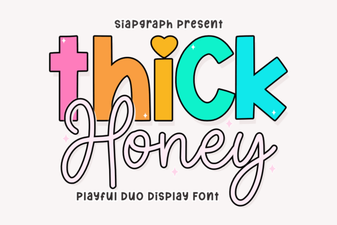 Thick Honey Duo Font for Creative Print Projects
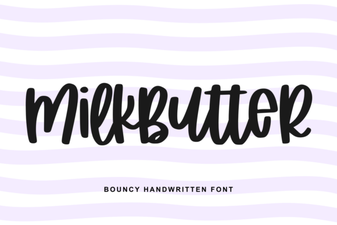 Milkbutter Font for Modern Design Projects
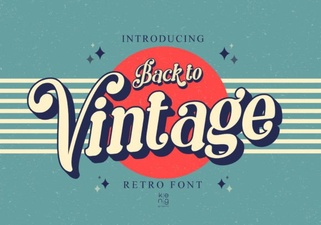 Embrace Vintage Fonts: Design with Retro Typography
 Hunter's K-Pop Fonts for Music & Design Projects
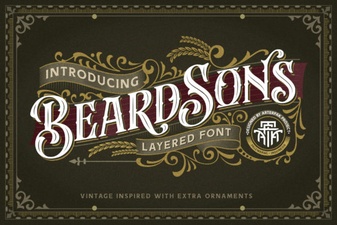 Beardsons Font: a Designer's Secret Weapon
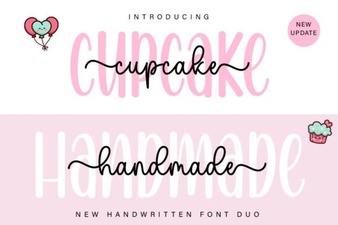 Cupcake Duo Font: Creative Handmade Design Projects