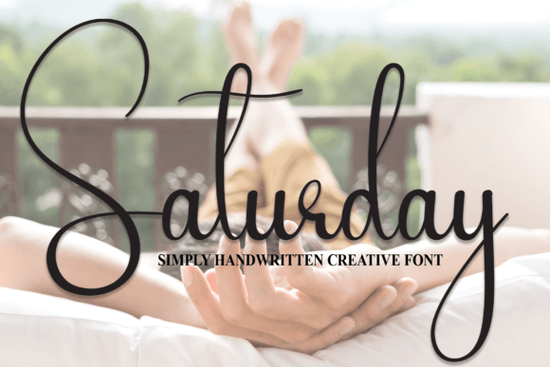
Finding the right typeface for a craft project or digital design can take hours of scrolling through endless options. If you need something approachable and easy to read, the Saturday Font offers a straightforward solution. It is a handwritten typeface that feels personal without being overly decorative or difficult to decipher. Crafters, print-on-demand sellers, and small business owners often choose this style because it works well on everything from custom ceramic mugs to elegant wedding invitations. Its versatility makes it a reliable choice for both digital screens and physical products.
What types of projects work best with friendly handwritten letters?
When you run a small business or create digital assets, readability is just as important as visual appeal. A friendly script works perfectly for greeting cards, product labels, and engaging social media graphics. Because the letterforms are simple and lack heavy embellishments, your customers can read the message quickly. If you are designing a brand identity that requires an authentic handwriting style, pairing this typeface with a clean sans-serif keeps the overall layout balanced and professional. You might also explore different textured elements across your stationery line, adding a custom, human touch to your packaging.
How can crafters use this typeface for print-on-demand?
Print-on-demand sellers need vector files that cut cleanly on vinyl machines or print sharply on apparel. Complex swirls, tight loops, and ultra-thin lines often cause frustrating issues during the weeding process. This typeface avoids those common problems by keeping the strokes distinct and the spacing open. It is highly effective for creating custom t-shirts, canvas tote bags, and nursery wall decor. For seasonal product launches, you can combine it with rustic autumn lettering to create warm, inviting designs for fall craft markets. Alternatively, use it alongside a relaxed summer aesthetic for bright, beach-themed merchandise that stands out in crowded online stores.
Which settings should I adjust in my design software?
To get the most natural look from a script typeface, you should take a few moments to adjust the kerning and line spacing in programs like Cricut Design Space, Canva, or Adobe Illustrator.
- Kerning: Tighten the spacing slightly if the individual letters feel too disconnected, but avoid overlapping the strokes, which can make the words look muddy.
- Leading: Increase the line height when typing multiple sentences to prevent the tall ascenders and low descenders from tangling together.
- Color: Use high-contrast color combinations, like dark charcoal text on a cream background, to maintain the friendly, readable vibe across all mediums.
If your project requires a more formal touch, such as a minimalist logo for a corporate client, you might want to browse a clean signature typeface to see if it better fits the specific needs of the brand.
Is this lettering style suitable for presentations and digital slides?
Yes, but you should use it strategically. Handwritten fonts grab attention, making them ideal for slide titles, pull quotes, or highlighting key takeaways during a pitch. However, you should avoid using them for long paragraphs of body text, as they can quickly become difficult to read on a large projector screen or a small mobile device. Stick to standard, highly legible fonts for the main content, and let the script font act as an engaging accent. If you want to explore more options in this specific category, checking out the Saturday collection can give you fresh ideas for complementary weights, alternative characters, and cohesive design themes.
Quick checklist for your next design
Before you finalize your artwork or send it to production, run through these simple steps to ensure your layout looks professional and functions correctly:
- Verify that all text is spelled correctly, as handwritten fonts can sometimes obscure minor typos.
- Check the contrast between your text color and the background to guarantee accessibility for all readers.
- Print a small test sample on your home printer if you are creating physical products like stickers, decals, or business cards.
- Ensure your font licensing covers commercial use, especially if you are selling the final printed items to customers.
- Save your final design files in both PNG and SVG formats to ensure maximum flexibility for future edits.
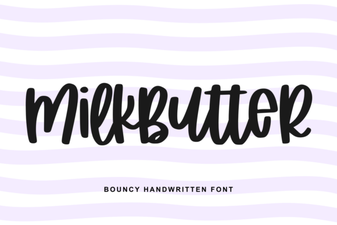 Milkbutter Font for Modern Design Projects
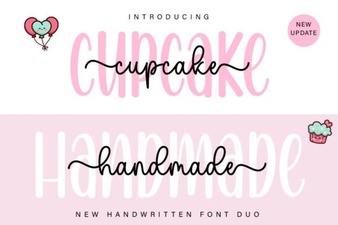 Cupcake Duo Font: Creative Handmade Design Projects
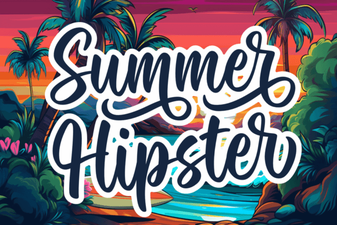 Summer Fonts for Creative Designers
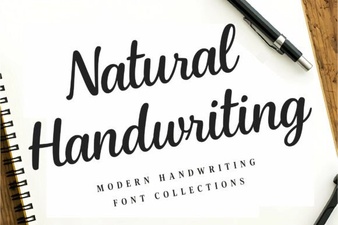 Craft Your Projects with Natural Handwriting Fonts
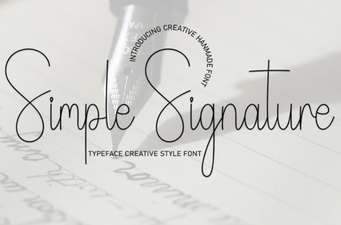 Creative Projects Using Simple Signature Fonts
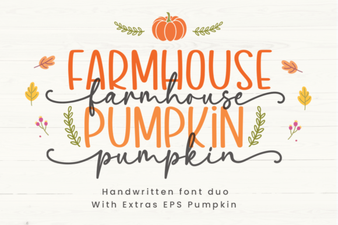 Designing with Farmhouse Pumpkin Font